


✕


The growing demand for flexible and cost-efficient housing has made Prefab Tiny Homes an attractive option for investors planning residential, rental, or resort-based projects. With lower construction costs and faster deployment, prefab tiny homes offer a practical entry point into the property and hospitality markets.
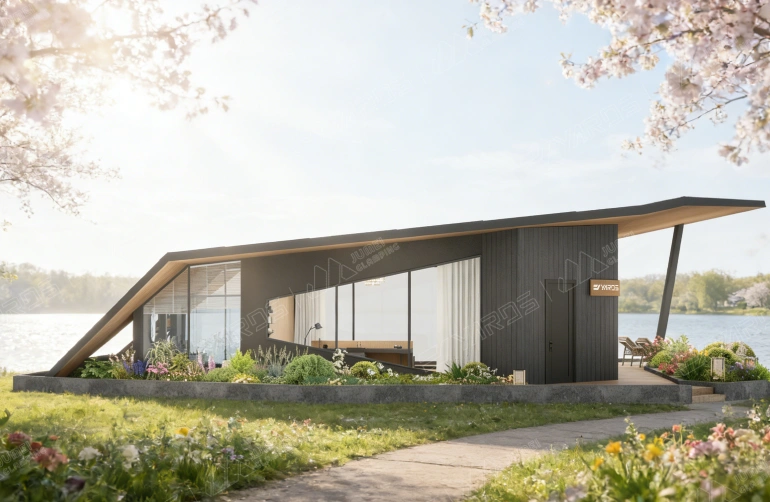
One of the key advantages of investing in prefab tiny homes is predictable budgeting. Factory-controlled production reduces material waste and labor uncertainty, allowing investors to plan costs more accurately. Shorter construction timelines also mean faster project completion and earlier revenue generation.
Prefab tiny homes are highly adaptable, making them suitable for multiple investment strategies. They can be used as short-term rentals, eco-resorts, workforce housing, or private vacation homes. This flexibility allows investors to diversify income streams and respond to changing market demands.
Scalability is another important factor in investment planning. Prefab tiny homes can be added in phases, enabling investors to start with a small number of units and expand gradually based on occupancy and return performance. This staged approach helps manage financial risk while maintaining growth potential.
In addition, modern prefab tiny homes are designed with durability, energy efficiency, and comfort in mind. Lower maintenance and operating costs contribute to long-term value and stable returns, making them suitable for both short-term and long-term investment plans.
Overall, Prefab Tiny Homes provide a balanced investment solution that combines affordability, flexibility, and scalability. With careful planning and market positioning, they offer strong potential for sustainable returns in today’s evolving housing and hospitality landscape.


