


✕


Understanding Prefab Homes Prices requires more than looking at a single number. The total cost depends on how the home is constructed and what components are included. For buyers and investors, knowing the structure and cost composition helps in making smarter decisions.
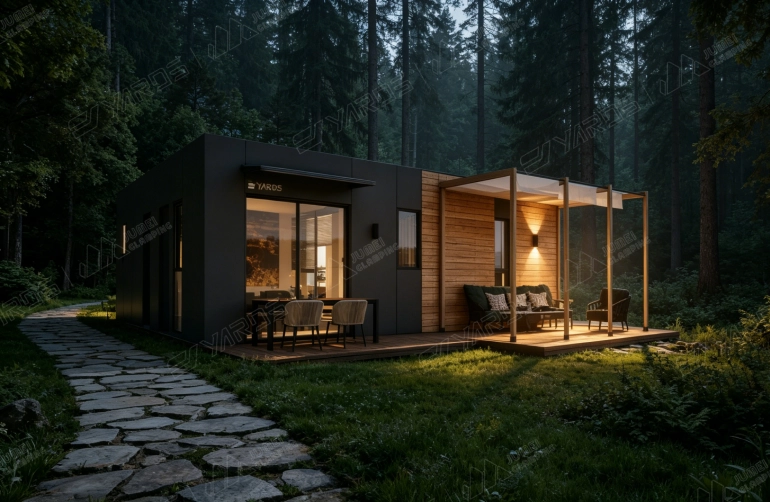
1. Structural Composition of Prefab Homes
Prefab homes are typically built in modules or panels in a factory and then assembled on-site. The main components include:
Structural Frame: Usually made of steel, wood, or a hybrid system, providing the core support of the building.
Wall and Roof Panels: Prefabricated sections that include insulation, exterior cladding, and internal finishes.
Floor System: Includes base flooring, support layers, and sometimes pre-installed finishes.
Doors and Windows: Often integrated into the panels, contributing to both function and energy efficiency.
This modular composition ensures faster construction, better quality control, and more predictable pricing.
2. Main Cost Components
The total price of prefab homes is made up of several key cost categories:
a. Manufacturing Cost
This includes factory production, materials, labor, and quality control. Higher-end materials and advanced manufacturing processes will increase this portion of the price.
b. Design and Customization
Standard models are more affordable, while customized layouts, architectural styles, and special features add to the overall cost.
c. Transportation and Logistics
Shipping prefab modules from the factory to the site can vary depending on distance, size, and accessibility.
d. Site Preparation and Foundation
Costs include land leveling, groundwork, and foundation systems such as concrete slabs or steel platforms.
e. Installation and Assembly
On-site labor for assembling the modules, connecting structures, and finishing work is another essential expense.
f. Utilities and Systems
Electrical, plumbing, water supply, drainage, and HVAC systems are usually included as part of the total project cost.
3. Optional and Additional Costs
Beyond the basic structure, buyers may also invest in:
Interior upgrades (furniture, premium finishes)
Energy-efficient systems (solar panels, insulation upgrades)
Smart home features
Outdoor elements (decks, landscaping)
These options can significantly affect the final price depending on the level of customization.
4. Overall Cost Advantage
Despite the multiple cost components, prefab homes often provide better cost control and efficiency compared to traditional construction. Faster build times and reduced labor requirements help optimize the total investment.
Conclusion
Prefab Homes Prices are determined by both the structural composition and a range of cost factors, including manufacturing, logistics, installation, and customization. By understanding these elements, buyers can better plan their budgets and choose the most suitable prefab solution for their needs.


