


✕


As modern construction continues to evolve, Custom Manufactured Homes are becoming increasingly popular in residential, tourism, and outdoor hospitality projects. One of the biggest advantages of customized prefabricated housing is its ability to adapt to different environmental conditions while maintaining efficiency, comfort, and long-term durability.
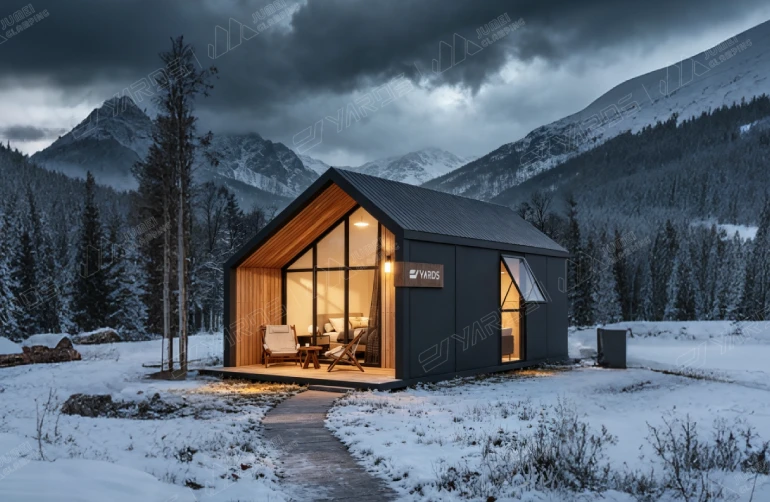
Unlike standard construction models, custom manufactured homes can be designed according to the specific climate, terrain, and operational needs of a project. This flexibility allows prefabricated homes to perform more effectively in diverse outdoor environments.
In mountain regions, customized prefab homes can include reinforced structures, enhanced insulation, and sloped roofing systems to improve resistance against snow, rain, and temperature fluctuations. Elevated foundation systems can also help adapt to uneven terrain.
For coastal environments, customization often focuses on wind resistance, corrosion protection, and moisture control. Materials suitable for humid and salt-rich conditions help improve long-term structural stability and reduce maintenance requirements.
In desert or high-temperature regions, prefab homes can be optimized with ventilation systems, shading structures, thermal insulation, and reflective materials to maintain indoor comfort while reducing heat buildup.
Forest and eco-tourism projects often prioritize designs that blend naturally into the environment. Customized manufactured homes can incorporate panoramic windows, natural exterior finishes, and low-impact foundation systems to create immersive outdoor experiences with minimal environmental disruption.
Another major advantage is the flexibility of layout and functionality. Depending on project goals, prefabricated homes can be customized as luxury resort suites, compact vacation cabins, family units, or long-term residential spaces.
Customization also improves energy efficiency and operational performance. Homes can integrate solar systems, insulation technologies, and climate-adaptive features according to local environmental conditions, helping reduce long-term operating costs.
From an investment perspective, custom manufactured homes provide stronger competitiveness because they create more unique and location-specific accommodation experiences. Modern travelers increasingly value personalized environments and nature-connected living spaces.
The prefabrication process itself further supports environmental adaptability. Since structural components are produced in factories, quality control is more consistent, and on-site installation can be adjusted more precisely to local conditions.
Compared to traditional construction, customized prefab homes also allow faster deployment and more flexible expansion, making them especially attractive for eco-resorts, glamping projects, and remote tourism developments.
Overall, Custom Manufactured Homes demonstrate clear advantages in environmental adaptability through tailored design and prefabricated construction technology. Their ability to respond to different climates and landscapes makes them a highly competitive solution for modern residential and outdoor hospitality projects.


