


✕


As modular construction becomes increasingly popular in residential, tourism, and hospitality projects, many buyers are researching Modular Homes Cost before making an investment decision. While modular homes are often considered a cost-effective alternative to traditional construction, it is important to understand the various expenses that contribute to the overall project budget.
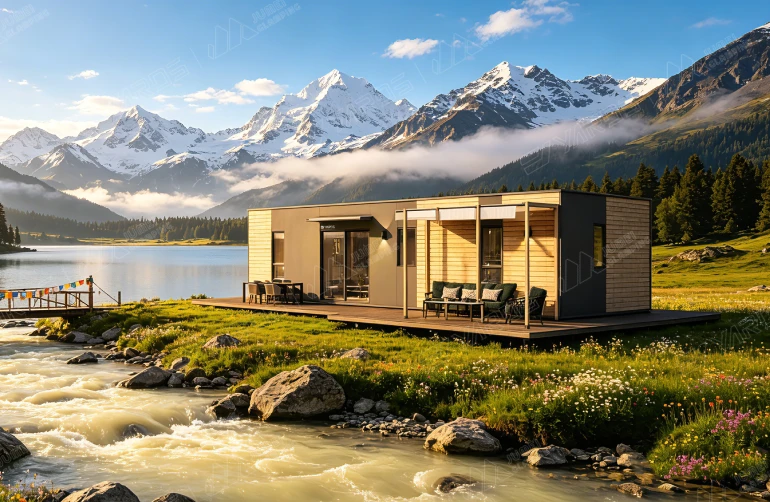
One of the primary cost components is the home structure itself. This includes the steel frame, wall systems, roofing materials, insulation layers, doors, windows, and other core building components. The size and design of the modular home significantly influence this portion of the cost.
Material quality is another major factor. Premium materials such as high-performance insulation, energy-efficient windows, weather-resistant exterior finishes, and durable structural systems typically increase the purchase price but can provide better long-term value and lower maintenance costs.
Customization also affects overall expenses. Buyers who require unique floor plans, larger living areas, luxury interiors, smart home features, or specialized exterior designs should expect higher production costs compared to standard modular home models.
Interior configuration is an important part of the budget as well. Features such as bathrooms, kitchens, furniture packages, lighting systems, flooring, and appliances can significantly impact the final project cost depending on the level of customization and quality selected.
Transportation costs are another key consideration. Since modular homes are manufactured in factories and shipped to the project site, freight expenses depend on distance, home dimensions, shipping method, and destination accessibility.
Installation and assembly costs should also be included in budget planning. Although modular homes generally require less on-site construction than traditional buildings, professional installation, equipment rental, and labor expenses still contribute to the total investment.
Site preparation is often overlooked but can be a substantial expense. Land leveling, foundation construction, drainage systems, utility connections, and access roads may be required before installation begins.
Utility infrastructure is another important cost category. Electrical systems, water supply, sewage connections, internet access, and climate-control equipment are essential for creating a fully functional living environment.
For resort and hospitality projects, additional expenses may include landscaping, outdoor decks, viewing platforms, and guest amenities designed to enhance the accommodation experience.
Maintenance and operational costs should also be considered when evaluating long-term value. High-quality modular homes generally require less maintenance and can provide greater durability over time, reducing future expenses.
Despite the various cost components, modular homes often offer advantages such as faster construction timelines, predictable budgeting, and greater scalability compared to conventional building methods.
Overall, Modular Homes Cost is influenced by factors including structural materials, customization, transportation, installation, site preparation, and utility systems. Understanding these major expenses helps investors and property developers create more accurate budgets and make informed purchasing decisions.


