


✕


As modular construction continues to transform the hospitality industry, many investors searching for a Plant Prefab Homes Manufacturer are planning eco-resorts, glamping destinations, and outdoor vacation hotels. While selecting a reliable manufacturer is essential, another common question is how many prefab homes should be purchased when starting a resort project. Careful supplier evaluation and a realistic purchasing plan can help reduce investment risks while creating a strong foundation for long-term business growth.
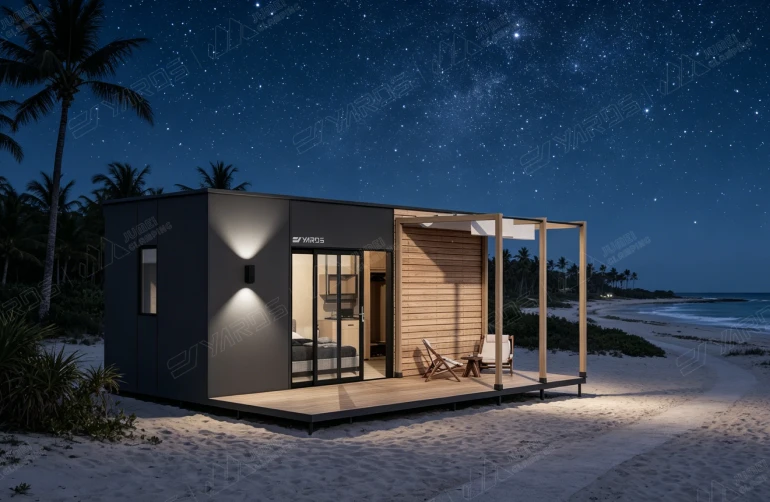
The first step is choosing an experienced manufacturer. Companies with years of expertise in prefab housing usually have well-developed production systems, stable engineering teams, and a better understanding of commercial hospitality projects. Their experience often results in higher product quality, more efficient production, and smoother project delivery.
Factory capability is another important factor. A professional manufacturer should operate modern production facilities with dedicated workshops for structural fabrication, assembly, finishing, and quality inspection. Strong production capacity allows multiple units to be manufactured consistently while maintaining reliable delivery schedules.
Material quality should always be carefully evaluated. High-quality prefab homes use durable galvanized steel or aluminum structures, insulated wall systems, weather-resistant exterior materials, and premium interior finishes. These features improve long-term durability and reduce maintenance costs throughout years of resort operation.
Customization capability is equally valuable for hospitality projects. Every resort has unique requirements regarding layouts, room sizes, terraces, panoramic windows, interior styles, and utility systems. A manufacturer capable of providing customized solutions allows investors to create accommodations that match their brand positioning and guest expectations.
International buyers should also consider export experience. Manufacturers familiar with overseas projects understand export packaging, container loading, shipping documentation, and global logistics. Professional export management helps reduce transportation risks while improving project efficiency.
Technical support should not be overlooked. Reliable manufacturers usually provide engineering drawings, installation manuals, structural recommendations, and after-sales assistance. These services simplify installation and provide long-term operational confidence.
Once a suitable manufacturer has been selected, investors should determine the appropriate number of prefab homes for the project. Rather than building a large resort immediately, many successful hospitality businesses begin with a moderate number of accommodation units and expand as occupancy increases.
For boutique outdoor resorts, purchasing 8 to 15 prefab homes is often a practical starting point. This capacity provides enough accommodation to attract different guest groups while keeping the initial investment manageable. Operators can focus on building service quality, marketing, and customer satisfaction before expanding further.
Medium-sized resort developments may choose 15 to 30 prefab homes, depending on available land and expected visitor demand. This scale supports a broader range of accommodation options for couples, families, and group travelers while allowing supporting facilities such as restaurants, activity centers, and wellness areas to operate more efficiently.
Large tourism destinations with established visitor traffic may require significantly more units, but even these projects are often developed in phases. Modular construction makes future expansion relatively simple, allowing investors to add accommodation as business grows rather than investing heavily at the beginning.
The available land should also influence purchasing decisions. Prefab homes should be arranged with sufficient spacing to preserve guest privacy, improve landscape design, and create attractive outdoor environments. A carefully planned layout often delivers a better guest experience than simply maximizing accommodation density.
Market positioning is another important consideration. Luxury resorts generally require fewer units with larger floor areas, premium interiors, and private outdoor spaces. Resorts targeting family tourism or longer stays may benefit from larger numbers of standard accommodation units combined with shared recreational facilities.
Besides accommodation, investors should allocate part of their budget to infrastructure, including reception buildings, restaurants, parking areas, landscaping, utility systems, and outdoor recreational spaces. A balanced investment creates a more complete destination and improves the overall guest experience.
When working with a Plant Prefab Homes Manufacturer, buyers should evaluate factory capability, material quality, customization, export experience, technical support, and long-term service rather than focusing solely on price. Selecting a reliable manufacturing partner and starting with an appropriate number of units provides a more sustainable path toward successful resort development.
Overall, prefab homes have become one of the most promising accommodation solutions for modern outdoor hospitality. With efficient construction, flexible expansion, and growing tourism demand, investors who combine careful supplier selection with phased purchasing strategies are well positioned to build profitable and competitive resort projects.


