


✕


When evaluating Prefab House Cost, many buyers focus only on the base price of the structure. However, the overall investment usually includes several components beyond the initial manufacturing cost. Understanding these factors helps homeowners, developers, and resort investors plan budgets more accurately.
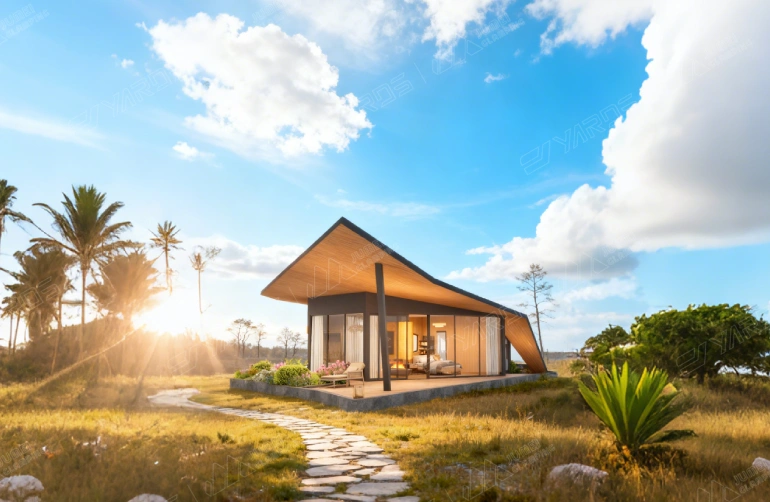
One of the primary cost elements is the structural materials used in the house. Prefab homes are typically built with steel frames, aluminum structures, or engineered wood systems. Higher-quality materials increase durability, weather resistance, and service life, but they also influence the final price.
Another important factor is the size and design complexity of the prefab house. Larger floor areas naturally require more materials and production time. Custom layouts, multi-room configurations, panoramic windows, or additional floors can also increase manufacturing costs.
The interior configuration is another major contributor. Basic prefab units may include only structural components and simple finishes, while more advanced versions can feature insulation systems, flooring, bathrooms, kitchens, lighting, and built-in furniture. The level of interior equipment significantly affects the overall budget.
Transportation and logistics also play a role in the final prefab house cost. Since prefab units are manufactured in factories and delivered to the installation site, shipping distance, packaging requirements, and transportation methods can add to the total expense.
In addition, site preparation and installation must be considered. Foundations, utility connections such as water and electricity, and on-site assembly work can represent a significant portion of the project budget depending on land conditions.
Finally, customization and optional features can affect pricing. Elements such as terraces, smart home systems, solar energy integration, or upgraded insulation packages may increase the cost but also improve long-term functionality and comfort.
The Prefab House Cost is determined by multiple factors including materials, design size, interior features, transportation, and installation requirements. By understanding these components, buyers can better balance budget planning with long-term value and performance.


