


✕


In recent years, the Prefab Tiny House concept has gained strong popularity across Europe. As housing prices rise and sustainability becomes a priority, many European buyers are turning to prefabricated tiny homes as an affordable, eco-friendly, and flexible housing solution.
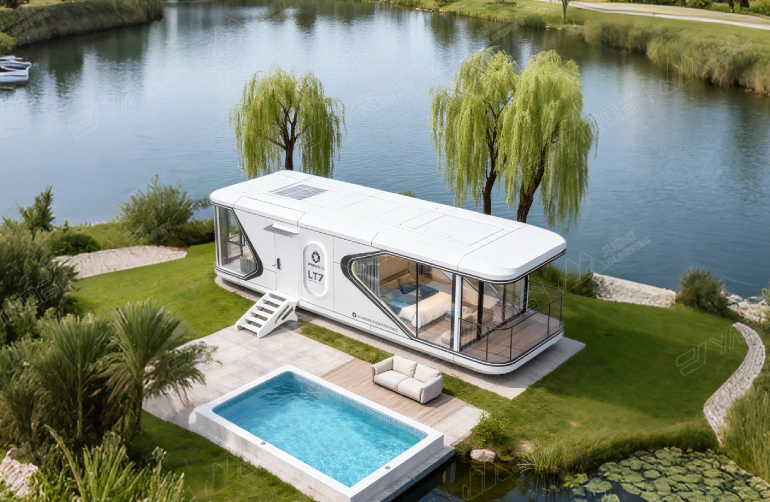
Growing Demand for Prefab Tiny Houses in Europe
Europe has become one of the fastest-growing markets for tiny homes. The region accounts for roughly 28% of the global tiny homes market, with countries such as Germany, France, and the Netherlands leading adoption. In 2024 alone, around 14,000 new tiny home installations were recorded across Europe.
The growing popularity is mainly driven by housing shortages, rising urban rents, and the increasing demand for alternative living solutions. Many European consumers see prefab tiny homes as a practical way to achieve home ownership with lower costs.
Sustainability and Eco-Friendly Living
Environmental awareness is another major reason why prefab tiny houses are widely accepted in Europe. Many units are built with energy-efficient materials and smart systems that reduce energy consumption. In fact, about 42% of European buyers prioritize energy efficiency and carbon-neutral design when choosing tiny homes.
Timber-based prefab construction is especially common in Europe because it offers strong insulation and a lower carbon footprint compared with traditional building materials.
Strong Prefabrication Tradition in Europe
Europe already has a long tradition of factory-built housing. In some countries, prefabricated construction is extremely common. For example, around 84% of detached houses in Sweden include prefabricated elements, showing how widely accepted off-site construction has become.
This strong manufacturing base has made it easier for prefab tiny house builders to expand production and innovate new designs across the continent.
Popular Uses: Homes, Rentals, and Tourism
Prefab tiny houses are not only used as permanent residences. In Europe, they are also widely used for:
Vacation rentals and eco-tourism cabins
Backyard guest houses
Remote work studios
Affordable starter homes
Demand is particularly strong in tourism destinations such as Italy, Croatia, and Poland, where tiny modular homes are often installed as holiday cabins or glamping accommodations.
Government Support and Urban Planning
Some European municipalities are also supporting micro-housing projects to address housing shortages. Local governments increasingly recognize tiny houses as a potential solution to rising rents and limited urban space.
As zoning policies evolve, more land areas are being opened for small modular housing developments, further encouraging market growth.
Conclusion
Overall, the popularity of Prefab Tiny House solutions in Europe continues to rise thanks to affordability, sustainability, and fast construction. With strong government support, advanced prefab technology, and increasing housing demand, prefab tiny homes are expected to play an important role in the future of European housing and tourism accommodation markets.


