


✕


As prefabricated construction becomes more popular worldwide, many investors and homeowners are paying close attention to Prefab Housing Prices. Prefab homes are widely appreciated for their efficient construction, flexible designs, and relatively predictable budgets. However, the overall price of a prefab house can vary significantly depending on several important factors.
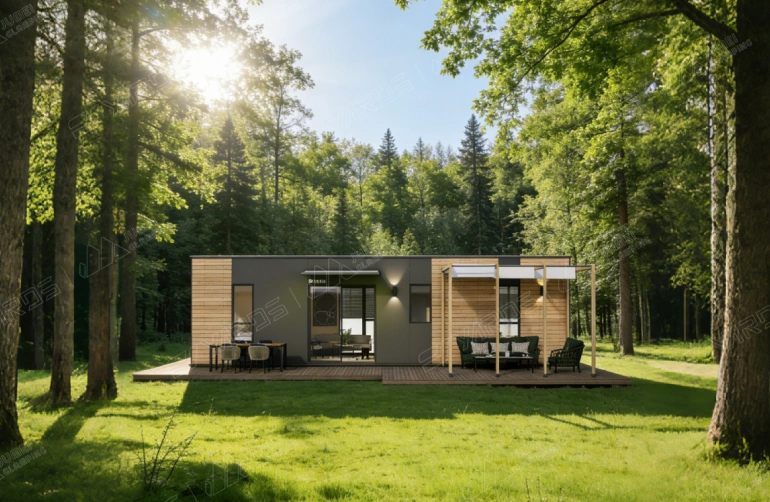
One of the most obvious influences on price is the size and layout of the house. Larger prefab homes require more structural materials, wall panels, and roofing components, which increases production and installation costs. In contrast, smaller prefab houses usually require fewer materials and can be assembled more quickly, making them more affordable.
Another major factor affecting prefab housing prices is the choice of materials. Prefabricated houses may use steel frames, aluminum structures, insulated wall panels, glass systems, and different types of roofing materials. Higher-quality materials often improve durability, weather resistance, and insulation performance, but they also contribute to higher overall costs.
Design complexity and customization also influence the final price. Standardized prefab house models are generally more economical because they follow a streamlined manufacturing process. However, if buyers request customized layouts, unique architectural styles, or additional structural features, the manufacturing process becomes more complex and may increase the cost.
Transportation and installation are additional components that impact pricing. Since prefab houses are manufactured in factories and then delivered to the installation site, logistics and distance can affect transportation costs. Site preparation, including foundations or platforms, may also add to the overall project budget depending on the terrain.
Interior equipment and finishing are another key element to consider. Some prefab houses are delivered as basic structural units, while others include fully equipped interiors, such as kitchens, bathrooms, flooring, lighting, and furniture. The level of interior decoration and facilities selected by the buyer can significantly influence the total price.
Finally, the number of units purchased can also affect prefab housing prices. Developers or resort investors who order multiple prefab homes at the same time often benefit from batch production and more competitive pricing from manufacturers.
In summary, Prefab Housing Prices are influenced by several factors, including house size, building materials, customization level, transportation, installation conditions, and interior finishing. By understanding these elements, buyers and investors can better plan their budgets and choose the most suitable prefab housing solution for their projects.


