


✕


As the housing market evolves, Prefab Homes for Sale are becoming an increasingly popular choice for homeowners and investors. Known for their efficiency and flexibility, prefab homes offer a wide range of pricing options. Understanding how these prices are set can help buyers make better decisions and plan their budgets effectively.
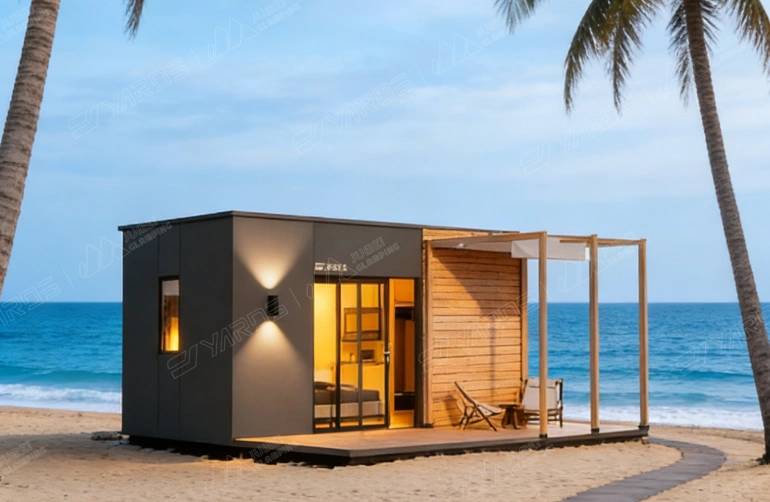
One of the main factors influencing pricing is the size and layout of the home. Larger prefab homes with multiple rooms and more complex layouts generally cost more due to increased material usage and production requirements. Smaller homes or compact designs tend to be more affordable and are often preferred for vacation properties or rental units.
Another key element is the level of customization. Standard prefab models are usually more cost-effective because they follow a consistent production process. However, customized homes with unique architectural features, special layouts, or upgraded finishes will increase the overall price. Buyers who want a personalized design should consider how customization impacts their budget.
The quality of materials and construction also plays a major role in price setting. Prefab homes built with high-quality steel structures, insulated panels, and durable finishes typically have higher upfront costs but offer better long-term performance. Investing in better materials can reduce maintenance expenses and improve the overall living experience.
Location-related costs are another important consideration. Transportation, delivery distance, and site conditions can all affect the final price of prefab homes. Projects in remote or difficult-to-access areas may require higher logistics and installation costs compared to those in easily accessible locations.
Interior features and equipment are also included in pricing decisions. Some prefab homes are sold as basic structures, while others come fully equipped with kitchens, bathrooms, lighting systems, and furniture. The level of interior finishing chosen by the buyer will significantly influence the total cost.
Market demand and project scale can also impact pricing strategies. Developers purchasing multiple units may benefit from bulk pricing, while high-demand areas may see slightly higher prices due to increased interest in prefab housing solutions.
Overall, the pricing of Prefab Homes for Sale is determined by a combination of factors, including size, customization, material quality, location, and interior features. By understanding these elements, buyers and investors can choose the right prefab home that balances cost, quality, and functionality.


