


✕


As global construction methods continue to evolve, Prefab Housing is becoming a major trend in the housing and hospitality industries. Driven by efficiency, sustainability, and changing consumer preferences, prefab solutions are gaining momentum across both residential and commercial markets.
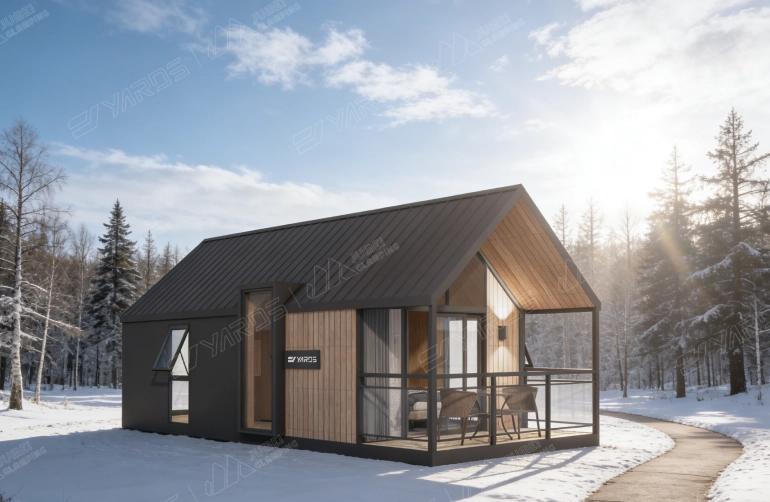
One of the most significant trends is the shift toward faster construction cycles. Prefabricated homes are produced in factories and assembled on-site, greatly reducing build time compared to traditional methods. This speed is especially valuable in markets where rapid development is required, such as tourism projects and urban expansion.
Another key development is the growing demand for cost-effective housing solutions. Prefab housing allows for better control over materials and labor, leading to more predictable pricing. As construction costs rise globally, this affordability makes prefab homes an attractive option for both individual buyers and large-scale developers.
Sustainability is also playing a major role in shaping the market. Many prefab housing solutions focus on energy efficiency and reduced environmental impact. Factory production minimizes material waste, while modern designs often incorporate eco-friendly materials and energy-saving systems. This aligns with the increasing global emphasis on green building practices.
In addition, prefab housing is benefiting from the trend of flexible and modular living. Consumers today value adaptability, and prefab homes can be easily expanded, relocated, or reconfigured. This flexibility meets the needs of different lifestyles, from permanent residences to vacation homes and rental properties.
The tourism and hospitality sector is also driving demand. Prefab housing is widely used in resorts, eco-lodges, and glamping projects, where fast installation and unique design are essential. This cross-industry application further supports market growth.
Technological advancements are another factor accelerating development. Improved manufacturing processes, better materials, and digital design tools are enhancing both quality and customization options, making prefab housing more competitive with traditional construction.
Globally, emerging markets are adopting prefab housing at a faster pace, particularly in regions where infrastructure development and tourism are expanding. This broad adoption indicates strong long-term growth potential.
Overall, Prefab Housing is evolving from an alternative building method into a mainstream solution. With advantages in speed, cost efficiency, sustainability, and flexibility, it is well positioned to shape the future of modern construction and accommodation industries.


