


✕


The tourism and hospitality industry is undergoing a significant transformation as travelers increasingly seek unique, comfortable, and nature-oriented accommodations. As a result, Mini Prefab Homes have become a popular solution for resorts, vacation rentals, eco-lodges, and outdoor hospitality projects. Their compact design, efficient construction, and flexibility make them highly attractive to both travelers and investors.
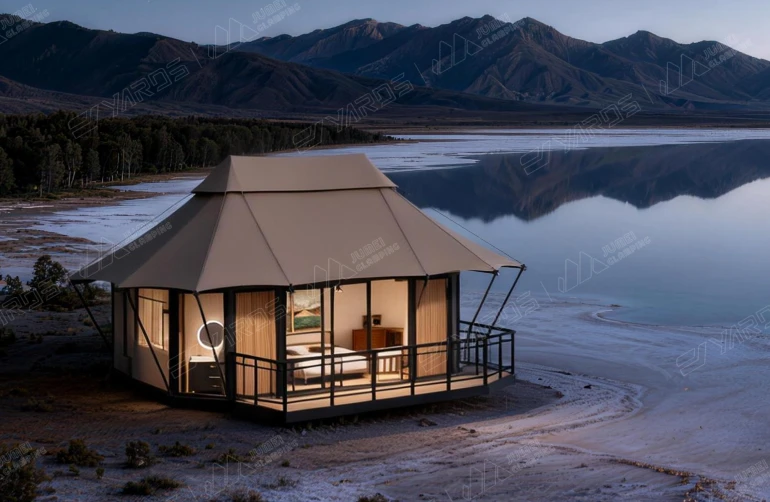
The growing demand for mini prefab homes is closely linked to changing travel preferences. Modern tourists are looking for experiences that combine privacy, comfort, and a connection with nature. Unlike traditional hotel rooms, mini prefab homes provide guests with a more independent and personalized living environment while maintaining the conveniences expected from modern accommodations.
Another factor driving market demand is the rise of eco-tourism and experiential travel. Travelers increasingly prefer destinations that offer authentic outdoor experiences without sacrificing comfort. Mini prefab homes fit perfectly into this trend, allowing guests to enjoy scenic surroundings while staying in fully equipped living spaces.
For resort developers, mini prefab homes offer several investment advantages. One of the most notable benefits is construction efficiency. Because the majority of the building process takes place in a factory environment, project timelines can often be significantly shorter than traditional construction methods. This allows investors to begin operations sooner and potentially generate revenue earlier.
The compact size of mini prefab homes also enables more flexible land utilization. Resort operators can create attractive accommodation layouts while preserving natural landscapes and maximizing available space. This is particularly valuable for projects located in mountains, forests, lakesides, deserts, and coastal destinations where environmental integration is important.
Modern mini prefab homes can be equipped with bedrooms, private bathrooms, kitchenettes, climate-control systems, and stylish interiors. These features create a comfortable guest experience that appeals to a wide range of travelers, including couples, families, remote workers, and weekend vacationers.
The visual appeal of prefab homes has become another advantage in today's tourism market. Contemporary designs, large windows, and modern architectural styles help properties stand out on booking platforms and social media. This increased visibility can support marketing efforts and attract more guests.
Scalability is also a key benefit for investors. Rather than developing a large project all at once, resort operators can start with a limited number of units and expand gradually as occupancy rates and demand increase. This phased development approach can reduce financial pressure and provide greater operational flexibility.
As sustainability becomes an increasingly important consideration, mini prefab homes also align with many environmentally conscious development strategies. Efficient use of materials, controlled factory production, and reduced construction waste contribute to a more sustainable building process.
Market forecasts indicate continued growth in outdoor hospitality and alternative accommodation sectors. Travelers are expected to maintain strong interest in experiences that offer privacy, comfort, and meaningful connections with natural environments. Mini prefab homes are well-positioned to benefit from these long-term tourism trends.
Overall, Mini Prefab Homes represent a practical and attractive solution for resort investors. Their growing market demand, efficient development process, flexible deployment options, and strong guest appeal make them a valuable addition to modern hospitality projects. As outdoor tourism continues to expand, mini prefab homes are likely to play an increasingly important role in shaping the future of resort accommodation.


