


✕


As outdoor resorts, eco-tourism projects, vacation rentals, and glamping destinations continue to expand, many investors are paying closer attention to the Cost of Prefab Homes. While prefab homes are often considered a cost-effective alternative to traditional construction, the total investment involves much more than the house structure itself. Understanding the major cost components can help buyers plan their budgets more accurately and make better investment decisions.
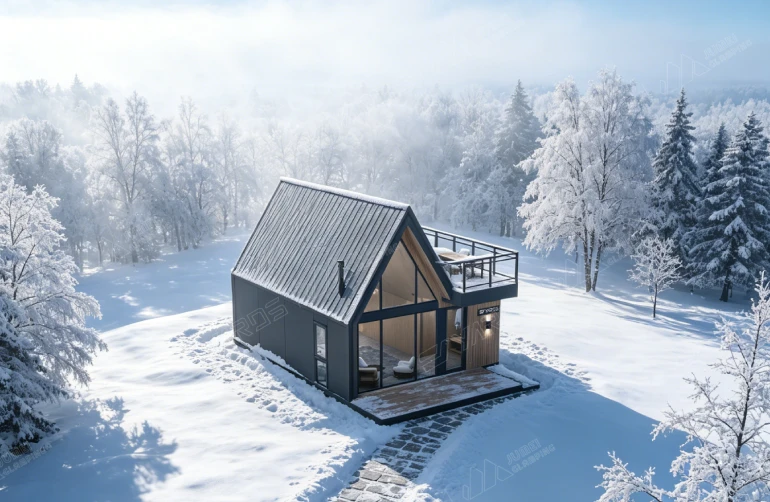
The most significant factor affecting the price of a prefab home is its size and layout. Larger units naturally require more structural materials, wall panels, roofing systems, insulation, windows, and interior finishing materials. Homes with multiple bedrooms, bathrooms, or larger living areas generally cost more than compact designs.
Material quality also plays an important role in determining overall costs. High-performance insulation, energy-efficient windows, durable exterior cladding, premium flooring, and weather-resistant roofing systems can increase the initial purchase price. However, these upgrades often improve long-term durability and reduce maintenance expenses.
Interior configuration is another major cost factor. Basic units may include standard living spaces, while more luxurious models can feature private bathrooms, kitchens, custom cabinetry, smart-home systems, and premium furniture packages. The level of interior finish directly influences the final project budget.
Customization requirements can also affect pricing. Many resort developers prefer personalized layouts, unique architectural styles, panoramic windows, outdoor decks, or specialized interior designs that match their branding. Customized solutions generally involve additional engineering and manufacturing costs.
Transportation is often overlooked during the planning stage. Because prefab homes are manufactured in a factory and delivered to the project site, shipping expenses can vary significantly depending on the distance, unit size, and transportation method. Remote locations may require additional logistics planning and costs.
Site preparation is another essential component of the total investment. Before installation begins, land may need grading, leveling, drainage improvements, and foundation work. The complexity of the site often influences preparation expenses.
Utility infrastructure should also be included in cost calculations. Water supply systems, electrical connections, wastewater treatment, internet access, and climate-control equipment are commonly required for outdoor accommodation projects. These supporting systems can represent a significant portion of the overall budget.
Installation costs vary depending on the project scale and location. While prefab homes generally require less on-site construction than traditional buildings, professional installation teams, lifting equipment, and technical supervision may still be necessary.
For resort developments, additional expenses often include landscaping, pathways, outdoor lighting, viewing decks, reception facilities, and guest activity areas. These elements enhance the overall guest experience and contribute to the success of the hospitality project.
Maintenance considerations should not be ignored. Investing in high-quality materials and reliable manufacturing standards can help reduce long-term operational costs and improve the lifespan of the structure.
One advantage of prefab homes is the predictability of costs. Because much of the production takes place in a controlled factory environment, buyers often experience fewer unexpected expenses compared to conventional construction projects.
Overall, the Cost of Prefab Homes is influenced by multiple factors, including structural materials, size, interior finishes, customization, transportation, site preparation, installation, and utility infrastructure. By understanding these cost components, investors and developers can better evaluate project budgets and maximize the value of their outdoor hospitality investments.


