


✕


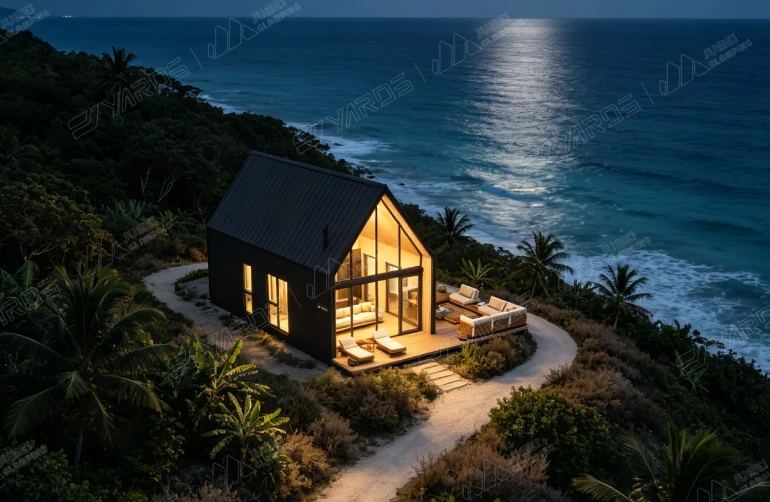
The first step is choosing the appropriate prefab home plan. Before placing an order, investors should evaluate the project location, target guests, available land, and overall budget. Different layouts are suitable for different resort concepts, whether they are designed for couples, families, or luxury vacation experiences.
Selecting an experienced manufacturer is equally important. A reliable supplier can provide customized floor plans, engineering drawings, structural calculations, production scheduling, and technical support throughout the project. Early communication helps ensure the prefab homes match both the local environment and the resort's long-term business goals.
After confirming the design, production begins in the factory. Unlike traditional construction, most structural components are manufactured under controlled conditions, ensuring consistent quality and reducing delays caused by weather. Factory production also improves construction accuracy and minimizes material waste.
Transportation is the next critical stage. Since prefab homes are manufactured before shipment, careful packaging is essential to protect structural components, wall panels, windows, and interior materials during delivery.
For international resort projects, ocean freight is the most common transportation method. Homes are typically packed into shipping containers or transported as modular units, depending on their dimensions. Proper logistics planning helps reduce transportation costs while ensuring materials arrive safely at the destination.
Before the prefab homes reach the project site, basic site preparation should already be completed. This usually includes foundation construction, utility connections, drainage systems, and access roads for transportation equipment. Preparing the site in advance allows installation to begin immediately after delivery.
One of the biggest advantages of Prefab Homes Plans is installation efficiency. Since most components have already been manufactured and tested, on-site assembly requires significantly less time than conventional construction. Depending on the project size and complexity, individual units can often be installed within several days.
Professional installation teams assemble the structural frame, install wall and roof systems, connect utilities, and complete interior finishing according to engineering specifications. This streamlined process reduces labor requirements while maintaining consistent construction quality.
After structural installation is complete, the final stage includes interior furnishing and landscape development. Furniture, lighting, air-conditioning, decorative finishes, outdoor terraces, and surrounding landscaping all contribute to creating a comfortable guest experience. Walking paths, gardens, recreational areas, and public facilities further enhance the overall appeal of the resort.
The modular nature of prefab homes also allows investors to expand gradually. Rather than building an entire resort at once, operators can begin with a moderate number of accommodation units and add more as occupancy grows. This phased development strategy helps manage investment costs while responding to market demand.
Modern prefab homes are designed for long-term outdoor performance. High-strength steel structures, insulated wall systems, weather-resistant exterior materials, and quality roofing provide reliable protection against rain, wind, sunlight, and temperature changes. Their durability helps reduce maintenance costs while ensuring consistent operation throughout the year.
For hospitality investors, efficient procurement, organized transportation, and professional installation directly influence project success. Working with a manufacturer that offers complete project support—from design consultation to installation guidance—can greatly simplify the development process and reduce operational risks.
Overall, Prefab Homes Plans provide an efficient and reliable solution for modern resort development. By carefully managing every stage—from procurement and factory production to transportation, installation, and future expansion—investors can build attractive outdoor destinations that combine fast project delivery with long-term business value.


