


✕


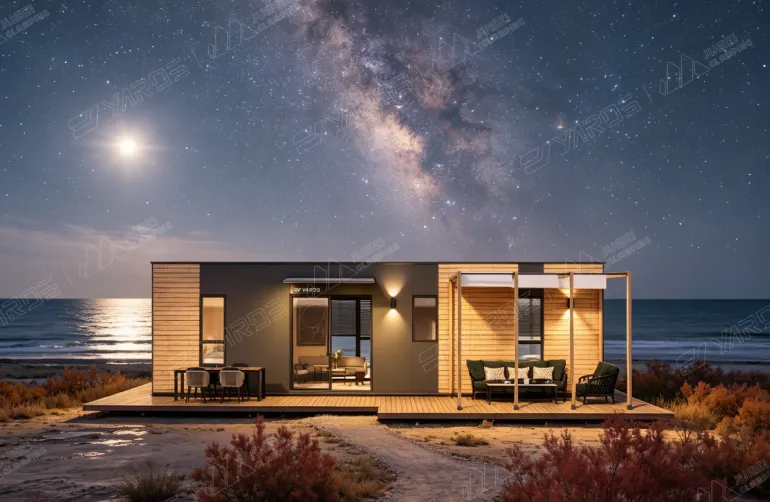
One of the main reasons prefab tiny homes are gaining popularity is the growing demand for experiential travel. Modern tourists are no longer satisfied with traditional hotel rooms alone. They prefer accommodations that offer privacy, beautiful surroundings, and a closer connection with nature while still providing hotel-quality comfort.
Prefab tiny homes meet these expectations perfectly. Equipped with comfortable bedrooms, private bathrooms, kitchens, air-conditioning, and modern interiors, they allow guests to enjoy outdoor living without sacrificing convenience.
Compared with traditional hotel construction, prefab tiny homes offer significant investment advantages. Factory production shortens manufacturing time, while modular installation greatly reduces on-site construction. This allows investors to open their resorts more quickly and begin generating revenue sooner.
Another advantage is flexibility. Prefab tiny homes can be installed in forests, mountains, lakesides, beaches, vineyards, deserts, and countryside destinations with relatively little environmental impact. Their adaptability makes them suitable for a wide variety of tourism projects.
When planning a new glamping resort, many investors ask how many prefab tiny homes they should purchase. The answer depends on factors such as available land, target market, project budget, and expected occupancy.
For smaller boutique resorts or new investors, starting with 8 to 15 prefab tiny homes is often a practical choice. This scale provides enough accommodation to attract guests while keeping the initial investment manageable. It also allows operators to gain experience before expanding the project.
Medium-sized resorts commonly begin with 15 to 30 units, offering a wider range of room options for couples, families, and small groups. At this scale, operators can support additional facilities such as restaurants, cafés, swimming pools, reception centers, and outdoor recreation areas, creating a more complete guest experience.
For larger destination resorts with strong tourism potential, 30 or more prefab tiny homes can help accommodate higher visitor numbers during peak seasons. A larger inventory also supports group bookings, corporate retreats, weddings, and special events, increasing overall revenue opportunities.
Instead of building all units at once, many successful developers choose a phased expansion strategy. They begin with a moderate number of prefab tiny homes, monitor occupancy rates and customer feedback, and then gradually add more units as demand grows. This approach reduces financial risk while maintaining healthy cash flow.
In addition to accommodation, investors should consider complementary facilities that enhance the overall resort experience. Outdoor lounges, dining spaces, walking trails, wellness areas, children's activities, and scenic viewing platforms encourage guests to stay longer and increase spending during their visit.
Selecting a reliable manufacturer is equally important. Buyers should evaluate structural quality, insulation performance, weather resistance, customization options, installation support, and after-sales service. A high-quality prefab tiny home requires less maintenance and provides a better guest experience over many years of operation.
The global trend toward eco-tourism and sustainable travel continues to create new opportunities for glamping businesses. Travelers increasingly value accommodations that combine comfort with nature, making prefab tiny homes an attractive long-term investment for resort developers.
Overall, choosing to Buy Prefab Tiny Home units is more than purchasing accommodation—it is an investment in the future of outdoor hospitality. By starting with an appropriate number of units, expanding according to market demand, and focusing on guest experience, investors can build a competitive glamping resort with strong long-term growth potential.


