


✕


As modern building technology continues to advance, Prefab Home Construction has become an increasingly popular solution for residential housing, vacation homes, resorts, and commercial developments. Compared with traditional construction methods, prefab homes offer faster installation while maintaining high standards of structural safety and long-term durability. For homeowners and investors alike, understanding these advantages is essential when selecting a prefabricated building system.
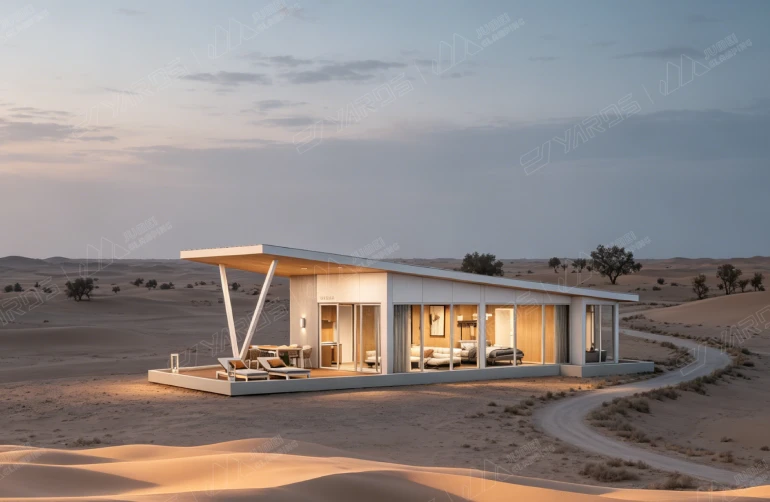
One of the greatest strengths of prefab home construction is its structural safety. Unlike conventional on-site construction, prefab homes are manufactured in controlled factory environments where each component is produced according to strict engineering standards. This controlled process helps improve manufacturing precision and ensures consistent product quality.
Most modern prefab homes are built using galvanized steel frames or other high-strength structural systems. These materials provide excellent load-bearing capacity while resisting corrosion and deformation over time. The combination of engineered components and precision manufacturing creates a stable structure suitable for long-term use.
Wind resistance is another important safety advantage. High-quality prefab homes are designed to distribute wind loads efficiently throughout the structural frame. Combined with secure foundations and professional installation, they perform well in coastal regions, mountains, grasslands, and other areas exposed to strong winds.
Waterproof performance is equally important. Premium roofing materials, weather-resistant wall panels, and carefully designed sealing systems help prevent rainwater penetration. Proper drainage systems also reduce the risk of water accumulation, protecting both the structure and interior finishes.
Fire safety is another key consideration in prefab home construction. Many manufacturers use fire-resistant building materials and insulation systems that improve overall safety while meeting modern construction requirements. Together with professionally installed electrical systems, these features help create a secure living environment.
Durability is one of the main reasons buyers choose prefab homes. High-quality construction materials are specifically selected to withstand years of outdoor exposure while requiring relatively low maintenance.
Galvanized steel structures resist rust and corrosion, making them suitable for humid, coastal, and rainy environments. Exterior wall systems are designed to tolerate temperature changes, UV exposure, and daily weather conditions without significant deterioration.
The roof system also contributes to long-term durability. Premium roofing materials maintain waterproof performance while resisting sunlight, wind, and seasonal climate changes. This helps extend the service life of the building and lowers long-term maintenance costs.
Prefab homes are highly adaptable to different environments. Whether installed in forests, mountains, beaches, deserts, lakesides, or countryside locations, they maintain stable structural performance when properly designed for local conditions. Their versatility makes them suitable for permanent residences, vacation homes, glamping resorts, and eco-tourism developments.
Another advantage is thermal performance. Modern prefab homes typically include insulated wall panels and energy-efficient windows that help maintain comfortable indoor temperatures throughout the year. Good insulation not only improves living comfort but also reduces energy consumption for heating and cooling.
Quality control is another benefit unique to prefab home construction. Since manufacturing takes place inside a factory, every structural component can undergo multiple inspections before shipment. This minimizes construction errors that sometimes occur during traditional on-site building projects.
Professional installation further enhances safety and durability. Once transported to the project site, prefabricated components are assembled according to detailed engineering drawings and installation procedures. Proper assembly ensures the structural integrity designed during manufacturing is fully maintained.
For investors, durable prefab homes offer significant long-term value. Buildings with reliable structural performance require fewer repairs, lower maintenance costs, and provide consistent operation over many years. This is particularly important for hospitality projects such as resorts, holiday parks, and rental accommodations, where long-term reliability directly affects profitability.
Overall, Prefab Home Construction combines engineered safety, durable materials, and reliable long-term performance. With strong structural systems, weather-resistant construction, and strict factory quality control, prefab homes provide a dependable solution for both residential and commercial applications while offering excellent value over their entire service life.


