


✕


Modern Modular Homes are becoming an increasingly attractive accommodation option for outdoor tourism projects. As travelers look for nature, wellness, and unique experiences, resorts are moving beyond traditional camping and exploring accommodation that combines outdoor scenery with residential-level comfort. In 2025, more than 52 million North American households went camping, showing the continued strength of outdoor hospitality demand.
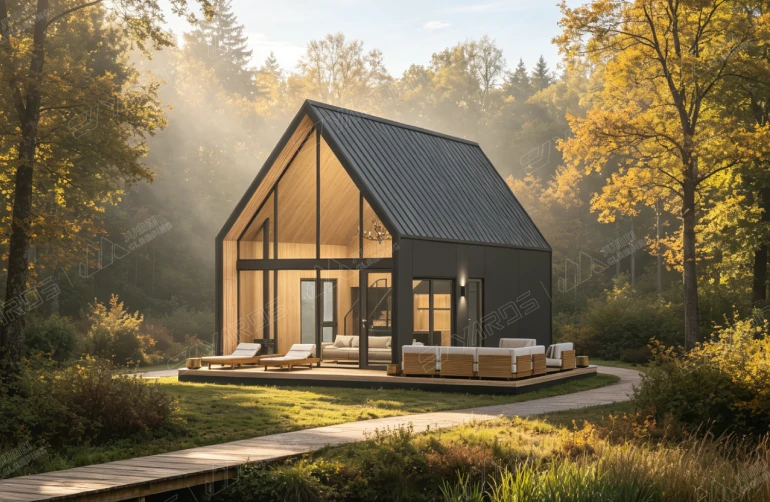
More Comfort Than Traditional Tents
Traditional tents can create a strong connection with nature, but they may have limitations in insulation, sound control, privacy, climate control, and interior space. Modern Modular Homes provide a more complete living environment, with options for bedrooms, bathrooms, kitchens, heating, cooling, lighting, and other residential facilities.
This makes them suitable for travelers who want the atmosphere of an outdoor resort without giving up everyday comfort. Recent modular tourism projects have also emphasized premium guest experiences while integrating accommodation into scenic environments.
Stronger Structures for Different Environments
Compared with fabric tents, modular homes can use engineered steel or aluminum frames, insulated wall systems, durable exterior materials, and high-performance windows. These features can provide greater structural stability and better protection against wind, rain, temperature changes, and other outdoor conditions.
For resorts located in mountains, forests, deserts, or coastal areas, this can make Modern Modular Homes a more practical option for longer-term accommodation. However, investors should still select structures according to local climate, foundation requirements, transportation conditions, and building regulations.
Faster and More Flexible Resort Development
Another advantage is the ability to manufacture major components in a controlled factory environment before transporting them to the project site. This can reduce the amount of on-site construction and help developers coordinate factory production with site preparation. Research into modular construction in hospitality has also identified potential benefits in schedule, quality control, reduced site disruption, and waste reduction.
For new resorts, Modern Modular Homes can also support phased development. Investors can begin with a smaller number of units, test market demand, and gradually add accommodation as occupancy and revenue increase.
Better for Year-Round Outdoor Tourism
Traditional tents are often strongly influenced by seasonal weather conditions. Modular accommodation, with appropriate insulation and climate-control systems, can provide a more stable indoor environment and support longer operating seasons.
This is especially valuable for resorts that want to attract guests during spring, autumn, or colder periods rather than relying entirely on peak summer camping demand. Modular units can also provide stronger privacy and a more familiar residential experience for couples, families, and long-stay visitors.
A Practical Investment for Modern Resorts
For outdoor tourism developers, Modern Modular Homes are not simply an alternative to traditional tents. They represent a shift toward more comfortable, durable, and flexible nature-based accommodation.
By combining factory-controlled construction, environmental adaptability, modern interiors, and scalable deployment, they can help resorts create a stronger guest experience while supporting long-term operations. For investors planning a new outdoor hospitality project, choosing the right modular design and manufacturer can be an important step toward building a distinctive and competitive destination.


