


✕


Understanding Prefab Homes Prices is an important first step for anyone planning a prefab house, resort accommodation, vacation home, or modular housing project. The advertised unit price is often only part of the total budget. Size, materials, interior finishes, transportation, installation, site preparation, and customization can all affect the final cost.
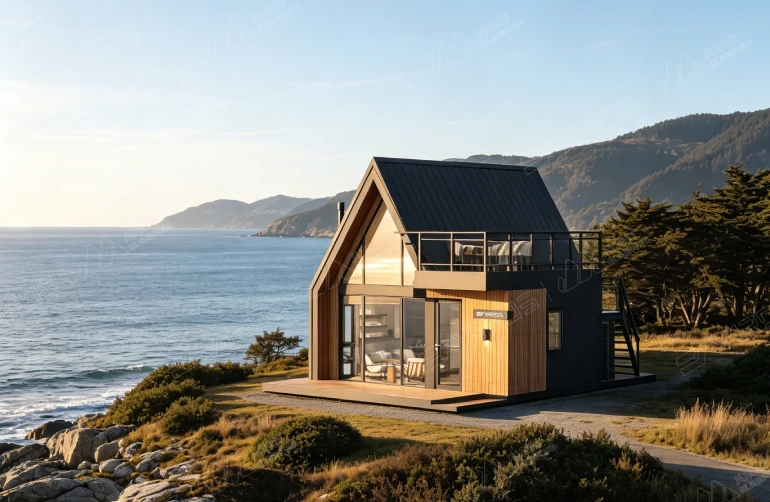
Base House Cost
The largest part of Prefab Homes Prices is usually the basic house itself. This normally covers the main structure, exterior walls, roof, doors, windows, and some standard interior components.
Current market references show that basic prefab homes can vary widely, with some estimates placing base prefab models around $30–$100 per square foot depending on the type, while modular homes can fall around $50–$100 per square foot for the unit itself. (homeguide.com)
The difference comes from the construction system, material quality, floor plan, insulation, and level of factory completion.
Size and Floor Plan
Square footage is one of the most direct factors affecting price. A larger home requires more structural materials, insulation, flooring, windows, electrical systems, and interior finishes.
However, price does not always increase at exactly the same rate as size. Larger production runs can sometimes benefit from manufacturing efficiencies, while complex layouts, multiple bathrooms, split-level designs, or unusual shapes may increase costs.
Interior Finishes and Equipment
Another important part of Prefab Homes Prices is the interior specification. A basic package may include standard flooring, walls, lighting, kitchen cabinets, and bathroom fixtures, while a premium package can include upgraded flooring, larger windows, better sanitary ware, customized kitchens, air conditioning, furniture, and appliances.
For tourism projects, these details can have a particularly large impact because the house may need to be delivered as a ready-to-use accommodation unit rather than an empty structure.
Transportation and Installation
Factory production does not eliminate on-site costs. Once the prefab house is completed, it needs to be transported to the project location and assembled.
Delivery costs depend heavily on distance, unit dimensions, road conditions, loading requirements, and local logistics. Installation may also require cranes, local workers, electrical connections, plumbing, and finishing work. Current cost guides specifically identify delivery, installation, foundation, and utility connections as expenses that buyers should consider beyond the base unit price. (angi.com)
Land, Foundation and Site Preparation
Prefab Homes Prices usually do not include the cost of purchasing land. Site preparation can include land clearing, grading, foundation construction, drainage, and utility connections.
These expenses can vary significantly depending on the location. A developed site with existing water, electricity, and sewer connections can require much less additional work than a remote plot.
Customization and Project Requirements
Customization is another major factor. Changing the standard floor plan, increasing window areas, upgrading insulation, adding terraces, modifying bathrooms, or selecting premium exterior materials can increase the overall price.
For resort and hospitality projects, buyers should therefore request a detailed quotation showing exactly what is included. Comparing the complete specification rather than only the headline price makes Prefab Homes Prices much easier to evaluate.
Ultimately, the best prefab solution is not necessarily the cheapest one. A clear quotation, reliable materials, efficient factory production, reasonable logistics, and appropriate after-sales support can provide better value over the entire life of the project.


